This guide is educational information, not personal medical advice. The source-check date records editorial work, not a clinician review. Read our medical disclaimer.
Three kinds of tests
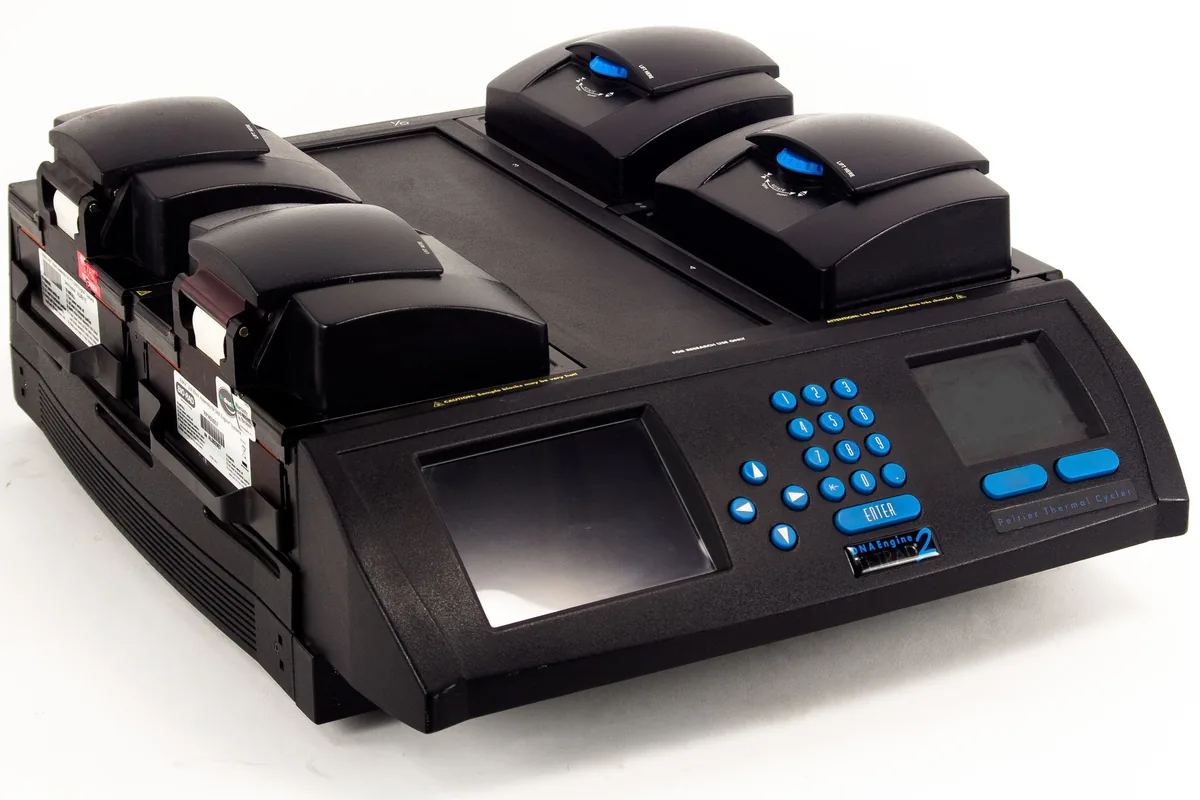
Antibody tests look for the body’s response to HIV. Antigen/antibody tests also look for a viral protein, and a nucleic acid test, or NAT, looks for the virus itself. Tests use different samples and methods. Ask the testing site exactly which test you will receive and how results are returned.
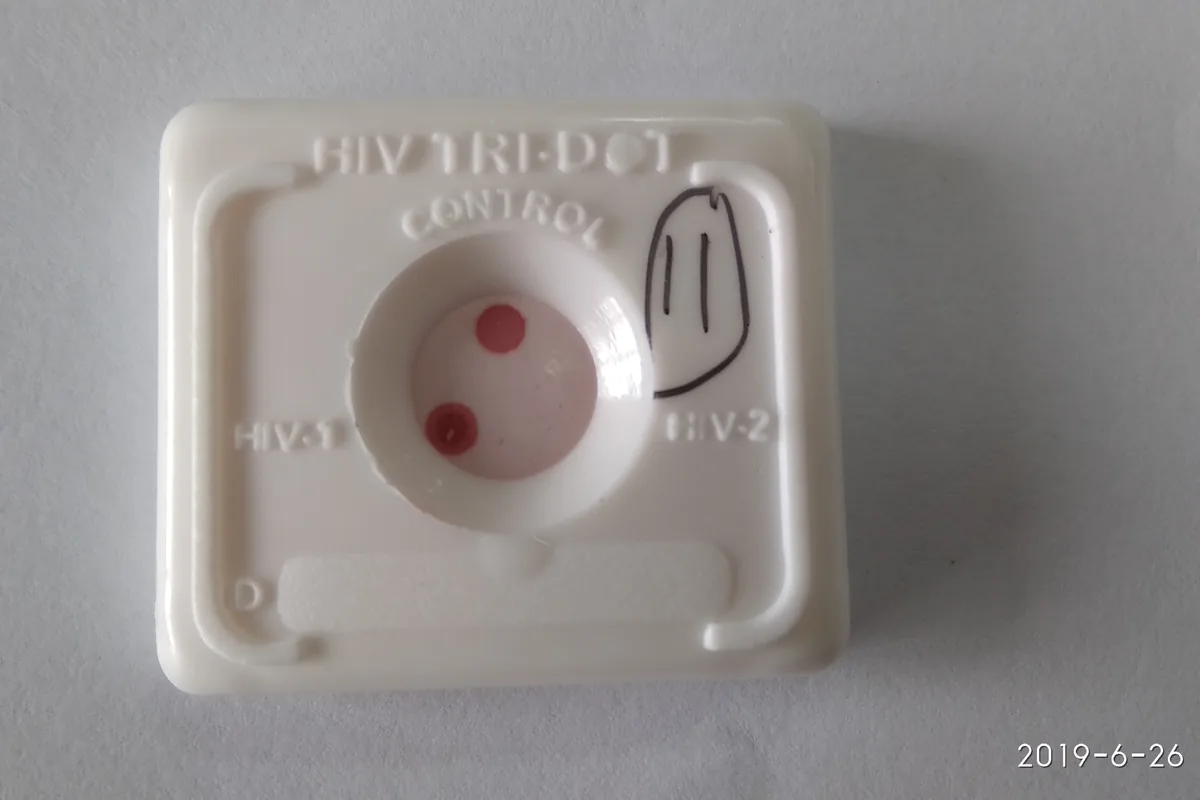
A laboratory antigen/antibody test often uses blood drawn from a vein; some rapid tests use blood from a finger stick. Most self-tests are antibody tests. A NAT uses blood from a vein and may be considered when a clinician suspects a very recent infection. The right choice depends on the situation.
If you want a quick result, read how rapid HIV tests work.
Prepare for the blood draw and follow-up with the laboratory HIV testing guide.
Read when an HIV NAT or RNA test may be considered.
Sources for this section: [1]
Typical detection windows
Without antiretroviral medicines, CDC’s usual detection windows depend on the test and specimen, as shown below. These ranges are not a guarantee for an individual result.
Do not apply the shorter laboratory blood-draw window to every rapid test. Ask your testing provider for the specific window for the product and sample used.
| Test | Specimen | Usual time after exposure |
|---|---|---|
| Nucleic acid test (NAT) | Blood from a vein | 10–33 days |
| Laboratory antigen/antibody test | Blood from a vein | 18–45 days |
| Rapid antigen/antibody test | Blood from a finger stick | 18–90 days |
| Antibody test | Depends on the test | 23–90 days |
Sources for this section: [2]
Medicines and recent exposure
PrEP or PEP use can delay detection. Tell your clinician about these medicines and the date of your most recent possible exposure so the testing plan fits your circumstances. If exposure was within 72 hours, ask about PEP immediately; do not wait for a test window to end.
A window is the time between exposure and when a test can usually detect infection, not the amount of time it takes a lab to return a result. HIV medicines used for prevention may alter detection; your provider may recommend a different testing approach or schedule if you have taken them.
For testing during PrEP use, read how medicines can affect test selection and interpretation.
If you have taken PEP, read about its baseline and follow-up HIV tests.
What a result means
A negative result during the window period may need repeat testing. A positive self-test needs follow-up testing from a health care provider. Ask who will arrange confirmation, when to expect results, and how to reach someone if the result is unclear.
After a negative result, identify the date on which the relevant window ends and avoid confusing a later exposure with the earlier event. An additional exposure can change the testing plan. If a screening result is positive, follow the site’s instructions for confirmatory testing rather than relying on a single self-test.
Keep a record of the test type, specimen, date of collection, and result. Those details help a clinician interpret the result and decide what follow-up is appropriate if you are tested again elsewhere.
Sources & editorial note
We use the sources below to support this guide. Follow a source link for its full guidance and any later changes. Source checking does not replace medical review or a conversation with your care team.
- Getting Tested for HIV CDC. Accessed .
- HIV Testing CDC. Accessed .
- Preventing HIV with PEP CDC. Accessed .
- Self Testing CDC. Accessed .
Prepared by HIV Guide editorial team. How we write and check our guides · Contact and corrections information