
This guide is educational information, not personal medical advice. The source-check date records editorial work, not a clinician review. Read our medical disclaimer.
Quick result, separate detection window
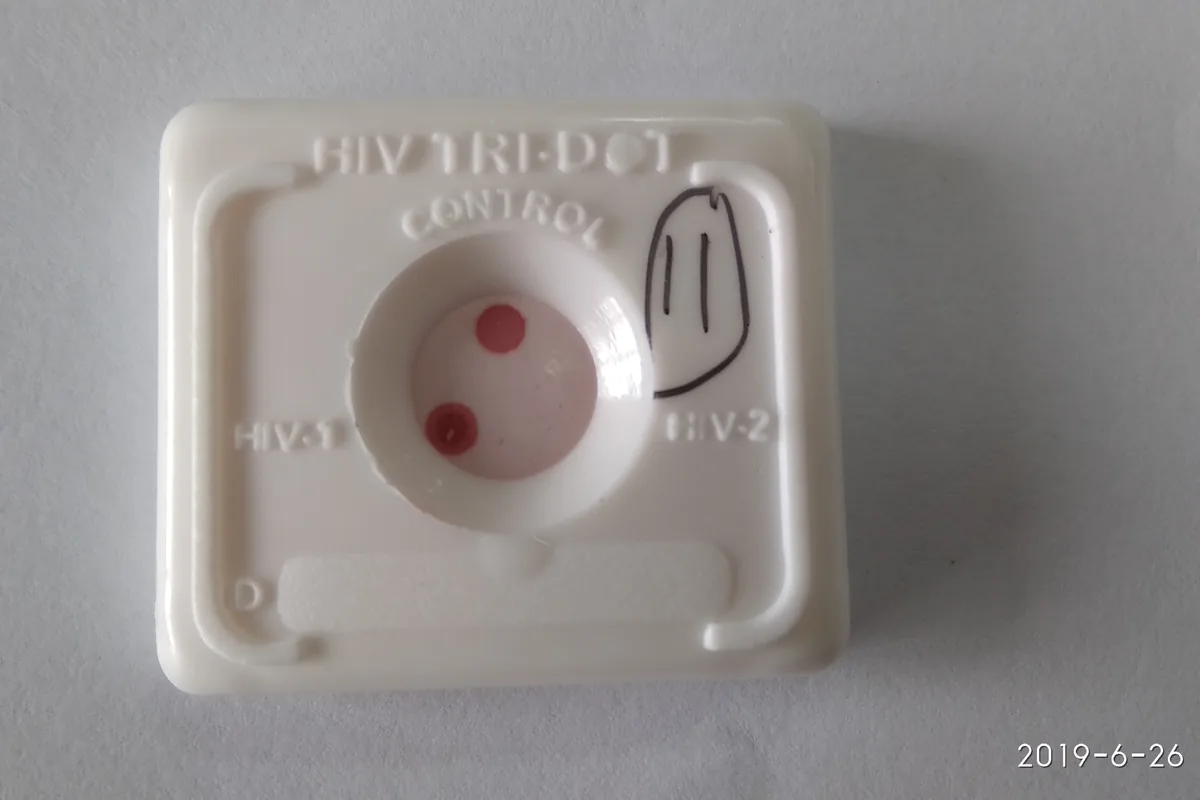
A rapid test is named for the speed of the result, not for how soon it can detect an infection. Most rapid tests are antibody tests; a rapid antigen/antibody test also exists. Ask the site which one it uses and whether the sample is oral fluid or finger-stick blood.
CDC gives a usual window of 23–90 days for antibody tests and 18–90 days for a rapid antigen/antibody test using finger-stick blood. An early negative result may need to be repeated after the applicable window. Antiretroviral medicines can delay detection and change the plan.
If a self-test is invalid, it did not produce a usable result. A reactive rapid or self-test requires follow-up testing through a health care provider. Ask the testing service how to make that appointment and when the follow-up result should be available.
What to expect
Rapid antibody tests generally use oral fluid or finger-stick blood and can produce a result in 30 minutes or less. A rapid antigen/antibody test can also use a finger stick. Ask which test the service uses.
A quick result may make a visit easier, but it does not mean the test can identify an infection immediately after exposure. The test type and sample determine the relevant window.
Sources for this section: [1]
Read and follow up
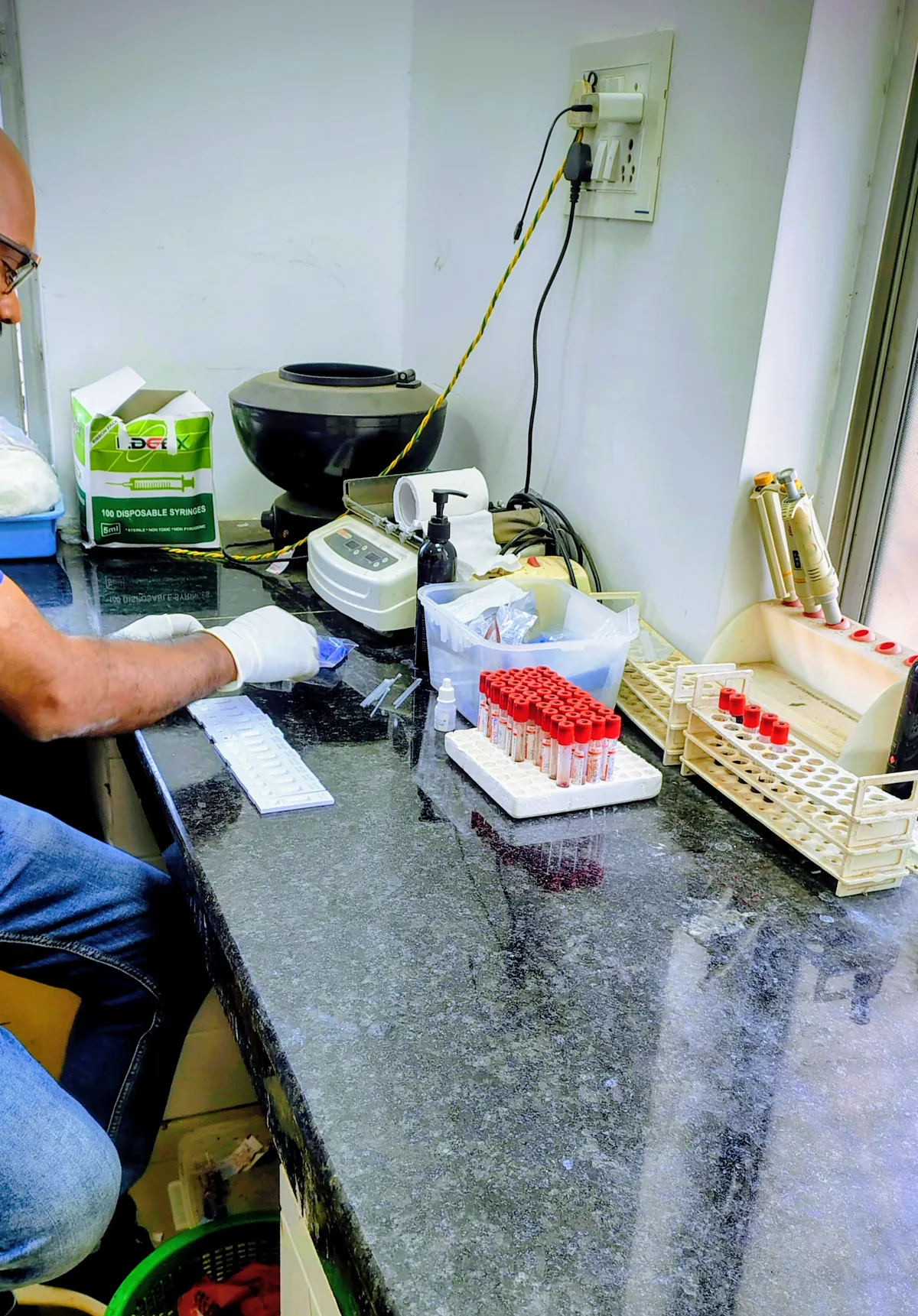
If a trained tester performs the test, ask them to explain the result and give you instructions. For a self-test, follow the particular manufacturer’s directions, including the timing and control indicators. An invalid self-test needs a new test or testing at a clinic.
A reactive rapid or self-test result requires follow-up with a health care provider. Ask where the next sample will be taken and when the final result is expected.
If the result is negative
If a potential exposure was recent, a negative rapid result may have been taken during the window period. Ask when to repeat testing and whether a laboratory test or NAT is appropriate.
Tell the clinician about current or recent PrEP or PEP; these medications can delay HIV detection and may change the testing strategy.
Sources & editorial note
We use the sources below to support this guide. Follow a source link for its full guidance and any later changes. Source checking does not replace medical review or a conversation with your care team.
- Getting Tested for HIV CDC. Accessed .
- HIV Testing CDC. Accessed .
Prepared by HIV Guide editorial team. How we write and check our guides · Contact and corrections information