
This guide is educational information, not personal medical advice. The source-check date records editorial work, not a clinician review. Read our medical disclaimer.
Choose the right starting point
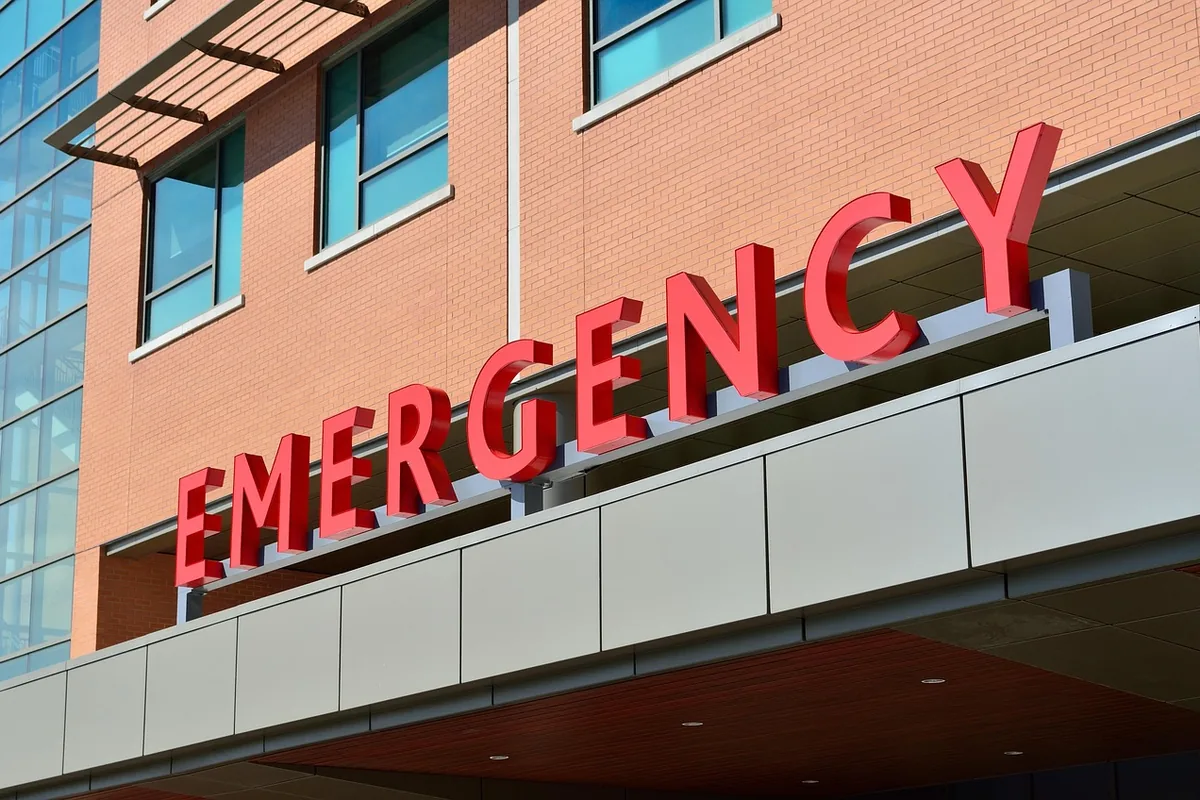
After a recent possible HIV exposure, seek PEP assessment immediately through a health care provider, urgent care or emergency department. PEP must begin within 72 hours and sooner is better; a routine appointment next week is not a substitute for urgent assessment.
For ongoing prevention, a primary care clinician or a PrEP provider can discuss PrEP. CDC links to the HIV.gov locator for finding services. Clinics and health departments sometimes provide condoms; syringe services programs can offer sterile supplies and disposal.
Confirm the actual service
Call or check the provider's current information to ask whether it offers the specific service you need, accepts new patients and has an appointment that fits. For PrEP, ask whether it provides the pill or injection you want to discuss, how follow-up works and whether a referral is needed.
Ask about language access, accessibility, transport, cost and payment assistance. If you are using insurance and privacy matters, ask the clinic and insurer how they communicate about visits and bills. Availability varies by location.
Sources for this section: [2]
Match a service to the question
For an urgent possible exposure, the first task is an immediate PEP assessment. For a planned PrEP visit, ask for a prescriber who can discuss the options and arrange routine follow-up. For condoms, check whether a clinic or health department distributes them. For sterile injection supplies and disposal, ask a syringe services program about its actual offerings.
A provider may offer one service and refer elsewhere for another. Ask whether the relevant clinician, medication or supplies are available at that location and whether the next step is an appointment, referral or pharmacy visit. Do not infer on-site availability from a broad organization description.
Use a short call script
You can say, 'I am looking for a PrEP appointment. Are you accepting new patients, what choices can you discuss, and what are the next available visits?' For another service, name the actual need rather than asking only whether the organization provides sexual health care. Ask whether interpretation or an accessible visit is available if needed.
Before hanging up, note the address, time, expected cost, documents requested and a callback number. If a referral is offered, ask whether it has been sent and how to confirm receipt. If you prefer not to receive detailed voicemail or mail, ask what communication options the service offers.
Sources for this section: [2]
Prepare for the conversation
Write down the questions you want answered, including what protection a method provides, when it starts and what visits it requires. Bring a medication list and insurance details if you have them, but ask whether they are necessary before delaying a visit.
You can ask for a clear explanation, an interpreter or a different way to receive reminders. If one provider cannot meet your needs, ask for a specific referral and confirm the next service yourself.
Sources for this section: [2]
Sources & editorial note
We use the sources below to support this guide. Follow a source link for its full guidance and any later changes. Source checking does not replace medical review or a conversation with your care team.
- Preventing HIV with PEP CDC. Accessed .
- Preventing HIV with PrEP CDC. Accessed .
- Preventing HIV with Condoms CDC. Accessed .
- Preventing HIV CDC. Accessed .
Prepared by HIV Guide editorial team. How we write and check our guides · Contact and corrections information