This guide is educational information, not personal medical advice. The source-check date records editorial work, not a clinician review. Read our medical disclaimer.
Locate a service
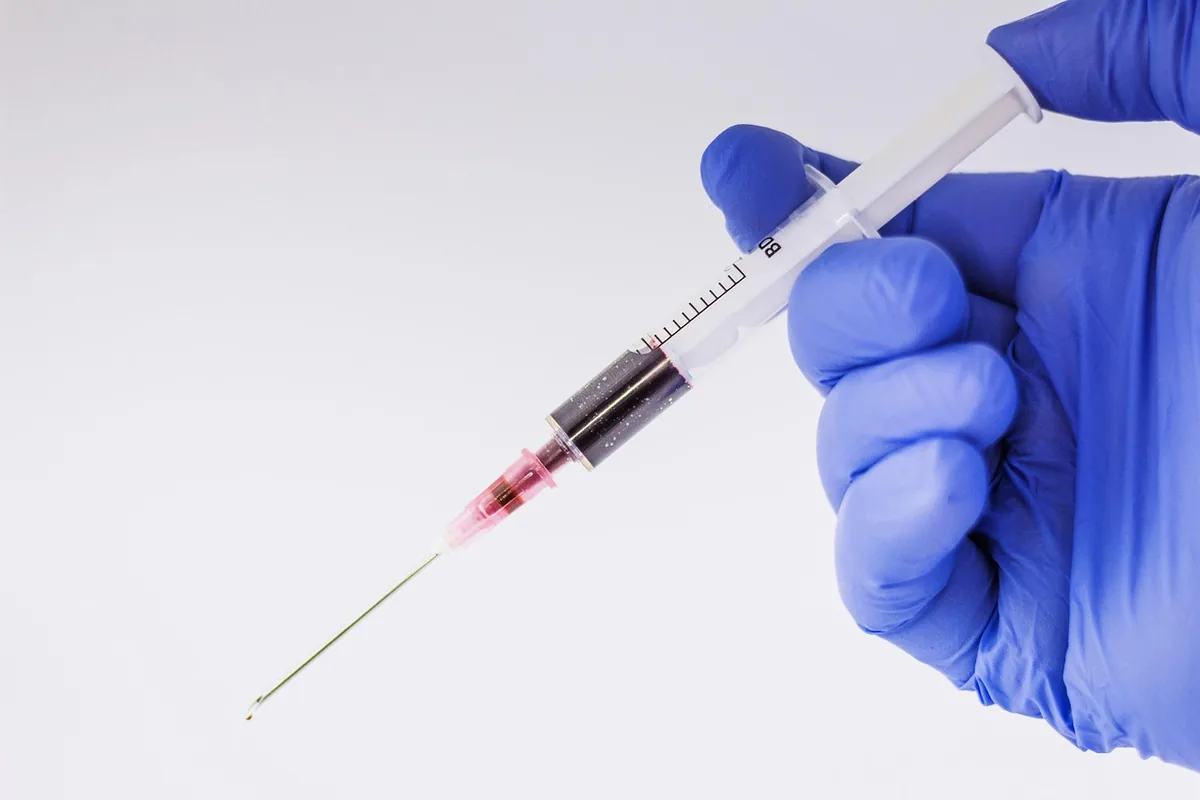
CDC identifies syringe services programs as places to obtain new needles and syringes and safely dispose of used ones. Start with the program finder linked from CDC's HIV prevention page or ask a local health department or health service. Some pharmacies also sell needles without a prescription.
A listing is a starting point, not a guarantee. Contact the service to check current location, hours, supplies and any requirements. Ask about access that fits your transport and schedule.
Sources for this section: [1]
Plan the visit
Ask what sterile supplies are available, how to obtain enough for your needs and how the program accepts used syringes for disposal. Ask whether you need an appointment or identification and what information the program records. Procedures differ, so confirm rather than assuming.
You can also ask whether the service can connect you with HIV prevention, health care or other support. A referral is not the same as an on-site service; confirm where and when the next step is available.
Sources for this section: [1]
What to ask before traveling
A phone or online listing may not show current hours, a mobile service's schedule or which supplies are in stock. Ask where to go, whether an appointment is needed and whether there are limits on the supplies available. If transport is difficult, ask whether the program knows of another access point nearer to you.
Ask how used syringes should be brought back and what container or disposal process the program accepts. Do not assume all locations operate the same way. If you have a preferred language or accessibility need, ask whether the program can accommodate it.
Sources for this section: [1]
Ask about privacy and referrals
Before sharing personal details, you can ask what information is required, who can see it and whether you can receive services without providing information you would rather keep private. The answer depends on the program. Ask for its own explanation rather than relying on a promise from an unrelated listing.
If staff offer a referral to PrEP, medical care or another service, ask for the service name, contact information and next available step. Confirm that it is accepting people and that the proposed appointment fits your needs. Ask whether someone can help make the connection if that would be useful.
Questions about getting supplies
Can a pharmacy be an alternative? CDC says some pharmacies sell needles without a prescription. Local rules and stock vary, so ask the pharmacy directly. A syringe services program may also provide disposal and other support.
What if a program is closed after I shared equipment? Do not wait for it to reopen. Seek urgent PEP assessment at a health care provider, emergency department or urgent care. PEP must start within 72 hours, and sooner is better.
Does one visit solve all future supply needs? Plan for the next visit before you run out. Ask about hours, availability and an alternative if the regular location is inaccessible.
Know when not to wait
If you may have been exposed to HIV through shared needles, syringes or other equipment, seek PEP assessment immediately. PEP must start within 72 hours, and every hour counts. Do not wait for a syringe program to open before seeking urgent medical care.
For ongoing prevention, ask a prescriber about PrEP and whether a particular option is appropriate for injection-related exposure. Continue seeking new sterile equipment because PrEP does not prevent every infection associated with sharing.
Sources & editorial note
We use the sources below to support this guide. Follow a source link for its full guidance and any later changes. Source checking does not replace medical review or a conversation with your care team.
- Preventing HIV CDC. Accessed .
- Preventing HIV with PEP CDC. Accessed .
- Preventing HIV with PrEP CDC. Accessed .
Prepared by HIV Guide editorial team. How we write and check our guides · Contact and corrections information