This guide is educational information, not personal medical advice. The source-check date records editorial work, not a clinician review. Read our medical disclaimer.
Find care now
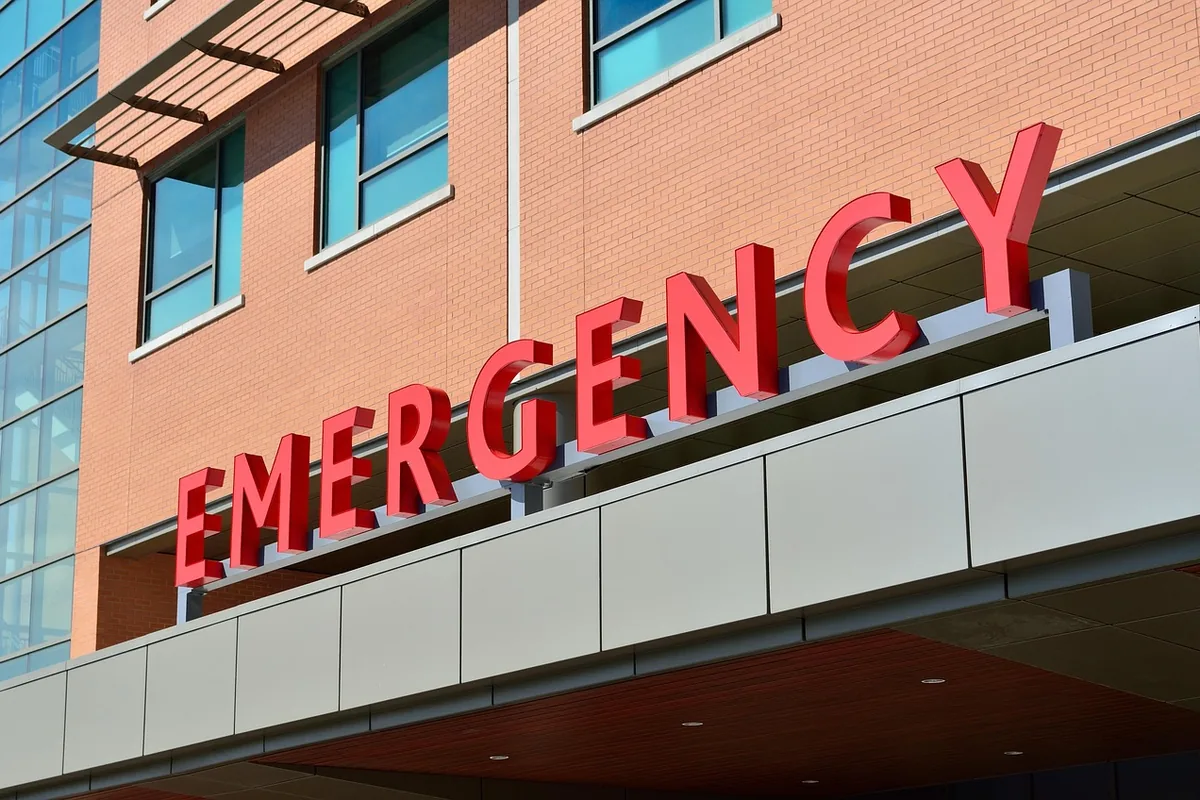
If your usual clinic is closed, go to an emergency department or contact an urgent care service immediately and say you need assessment for HIV PEP after a recent possible exposure. Call ahead if it helps establish whether a nearby urgent care can assess and provide PEP, but do not spend hours calling while the window closes.
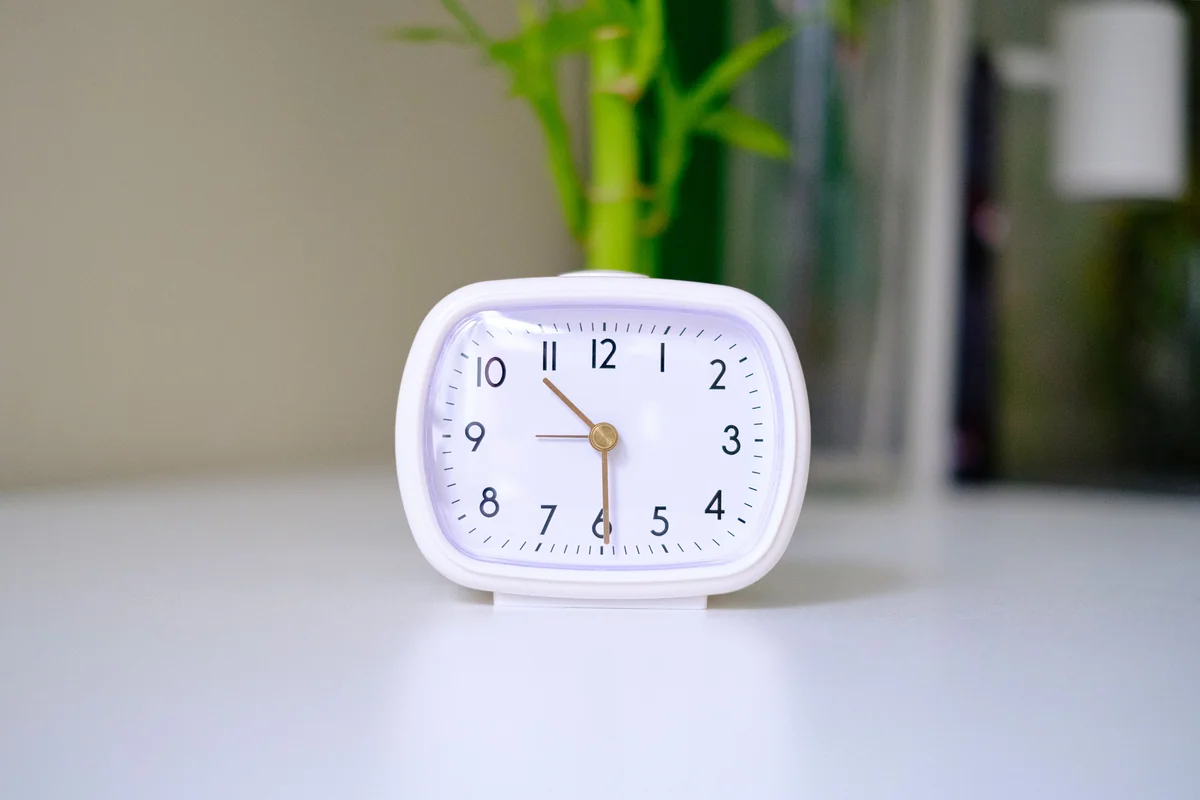
PEP must start within 72 hours and is most effective when started as soon as possible. If one service cannot provide it, ask where to go immediately and proceed to another emergency service.
Sources for this section: [1]
Explain what happened
Give the approximate date and time, the type of exposure and any information you know about the source. Mention medicines, allergies, possible pregnancy and whether you have used PrEP or PEP. It is acceptable not to know every detail; an assessment can begin with what you do know.
CDC advises clinicians not to delay indicated PEP while laboratory results are pending. Ask when the first medication will be available and who will arrange the remainder if only an initial supply is provided.
Sources for this section: [2]
At the desk or on the phone
Use the words 'possible HIV exposure' and 'PEP' and give the approximate time. This lets the service understand that you need time-sensitive assessment. You can say, 'I need to know whether PEP is appropriate; the exposure happened around this time.' If the service cannot assess or supply PEP, ask for a specific destination and leave promptly.
A sexual assault or workplace exposure can involve additional care and reporting choices. Tell the clinician what happened in the detail you are comfortable sharing so they can explain options. A workplace reporting process should not delay seeking medical attention.
Sources for this section: [1]
Check medication access before discharge
An assessment and a prescription are useful only if the medication is available. Ask whether the first dose and the rest of the course can be obtained now, where the pharmacy is and whether it is open. If only a starter supply is available, ask exactly who will arrange the remainder and when to make contact.
CDC recommends a follow-up contact within 24 hours to assess medication access and tolerability. Ask who will call and how to reach them if the pharmacy is closed, the prescription is unavailable or the cost is a problem. Ask for instructions in writing or in a form you can access privately.
Sources for this section: [2]
Questions when offices are closed
Should I wait until morning if the exposure was recent? No. PEP must begin within 72 hours, and earlier is better. Emergency departments and urgent care providers are appropriate places to ask for an immediate assessment; check urgently whether a particular urgent care can help.
What if I have no insurance or cannot pay upfront? Tell the care team and ask about assistance while receiving urgent care. CDC describes possible assistance depending on the circumstances, including after workplace exposure or sexual assault. Do not assume a specific program will pay every charge.
Before leaving
Ask for a contact for side effects, the plan for the complete 28-day course and written follow-up instructions. Ask about cost assistance if needed, but seek care first. If the exposure happened at work, report it to the appropriate person as soon as possible as well as obtaining immediate care.
If there may be continuing exposure, ask at follow-up about PrEP. You do not have to settle the long-term plan before receiving an emergency assessment.
Sources & editorial note
We use the sources below to support this guide. Follow a source link for its full guidance and any later changes. Source checking does not replace medical review or a conversation with your care team.
- Preventing HIV with PEP CDC. Accessed .
- Clinical Guidance for PEP CDC. Accessed .
Prepared by HIV Guide editorial team. How we write and check our guides · Contact and corrections information