This guide is educational information, not personal medical advice. The source-check date records editorial work, not a clinician review. Read our medical disclaimer.
Why feeling well and immune health can differ
The immune system is a network of cells and responses, so one symptom is not a direct reading of its condition. During chronic HIV, the virus can remain active even when someone feels well. Conversely, having a cold or another illness does not by itself mean that HIV is present or that immune damage has occurred.
If HIV is confirmed, ask for the CD4 result and viral-load result separately. A CD4 count concerns immune cells, while viral load measures HIV in blood. Write down the values and the collection dates so that the care team can explain them in context over time.
Treatment can reduce viral activity and prevent progression. It is still important to return for the follow-up the care team recommends even if there are no symptoms; the absence of symptoms cannot establish whether treatment is working.
Sources for this section: [1]
The immune system and HIV
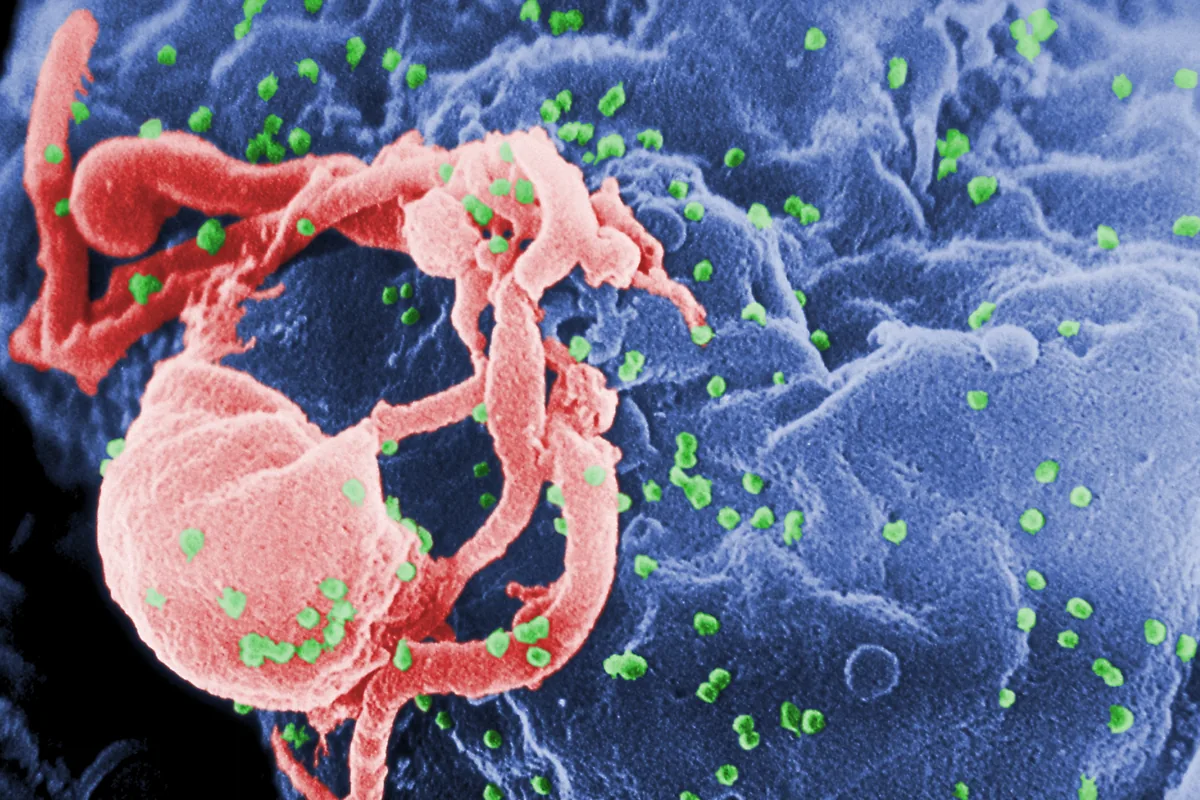
CD4 cells help coordinate the body’s response to infections. HIV attacks these cells. Without effective treatment, continuing viral activity can damage the immune system, making it harder to defend against infections and certain cancers.
This does not mean that every infection in a person with HIV is caused by immune damage. A clinician considers symptoms, laboratory results, and other possible causes together.
Sources for this section: [1]
Feeling well does not show whether the virus is controlled
After early infection, some people have a long period with few or no symptoms. HIV can still be active during that time. Symptoms alone cannot tell you whether you have HIV or how well your immune system is working.
A CD4 count and viral load answer different questions: the first gives information about immune cells; the second measures HIV in blood. A care team can explain the individual results and arrange follow-up.
Sources for this section: [1]
What can change the outlook
HIV medicine lowers the amount of virus in the body. Effective treatment can prevent progression to advanced disease and help people live long, healthy lives. It controls HIV but is not an ordinary cure that eliminates the need for care.
If you have a confirmed diagnosis, ask for an HIV care appointment and bring any available test reports. If you are uncertain of your status, testing is the way to find out.
Sources & editorial note
We use the sources below to support this guide. Follow a source link for its full guidance and any later changes. Source checking does not replace medical review or a conversation with your care team.
- About HIV CDC. Accessed .
- Getting Tested for HIV CDC. Accessed .
Prepared by HIV Guide editorial team. How we write and check our guides · Contact and corrections information