This guide is educational information, not personal medical advice. The source-check date records editorial work, not a clinician review. Read our medical disclaimer.
Two tests, two different questions
Viral load estimates the amount of HIV in a blood sample. It is the main measure of response to antiretroviral therapy. CD4 cells help coordinate immune defenses; the CD4 count helps assess immune health and whether additional infection prevention might be needed.
The two results do not move in lockstep. A low viral load does not automatically mean that a CD4 count has recovered to a particular level, and a CD4 count alone does not establish viral suppression. Your team considers both alongside your treatment and medical history.
Sources for this section: [1]
What a viral load report can say
A report may give a number in copies per milliliter, state that HIV was not detected, or say that HIV was detected below the level the laboratory can quantify. Laboratories use tests with different reporting limits. 'Undetectable' means the sample was below that test's detection limit; it does not mean HIV is gone from the body.
Keep the collection date, units and the laboratory's wording when comparing reports. Ask which test was used, how the result compares with earlier results and whether a repeat sample is needed. A single unexpected number does not by itself identify the cause or establish a need to change medicine.
Sources for this section: [1]
Why the CD4 count matters
HIV can damage CD4 cells. Effective treatment helps protect immune function, but the pattern and pace of recovery differ. A clinician may use the count with other information to assess the need for prevention or treatment of particular opportunistic infections.
Counts can vary, so context matters. Ask whether a change is meaningful in light of previous values, illness and other treatment. Do not start or discontinue an infection-prevention medicine based on a number without an individualized clinical plan.
Sources for this section: [1]
Why testing schedules differ
NIH recommends viral load testing at treatment initiation and within four to eight weeks afterward, with repeat testing while response is being established. After a treatment change, another test checks the new regimen's effect. Once suppression and health are stable, testing may be less frequent; individual circumstances can require closer follow-up.
CD4 monitoring also depends on the count, length of suppression and health changes. Someone with advanced immune suppression may need a different schedule from someone whose count and viral load have been stable for years. These are general patterns, not a personal testing order.
Sources for this section: [1]
Getting and discussing your results
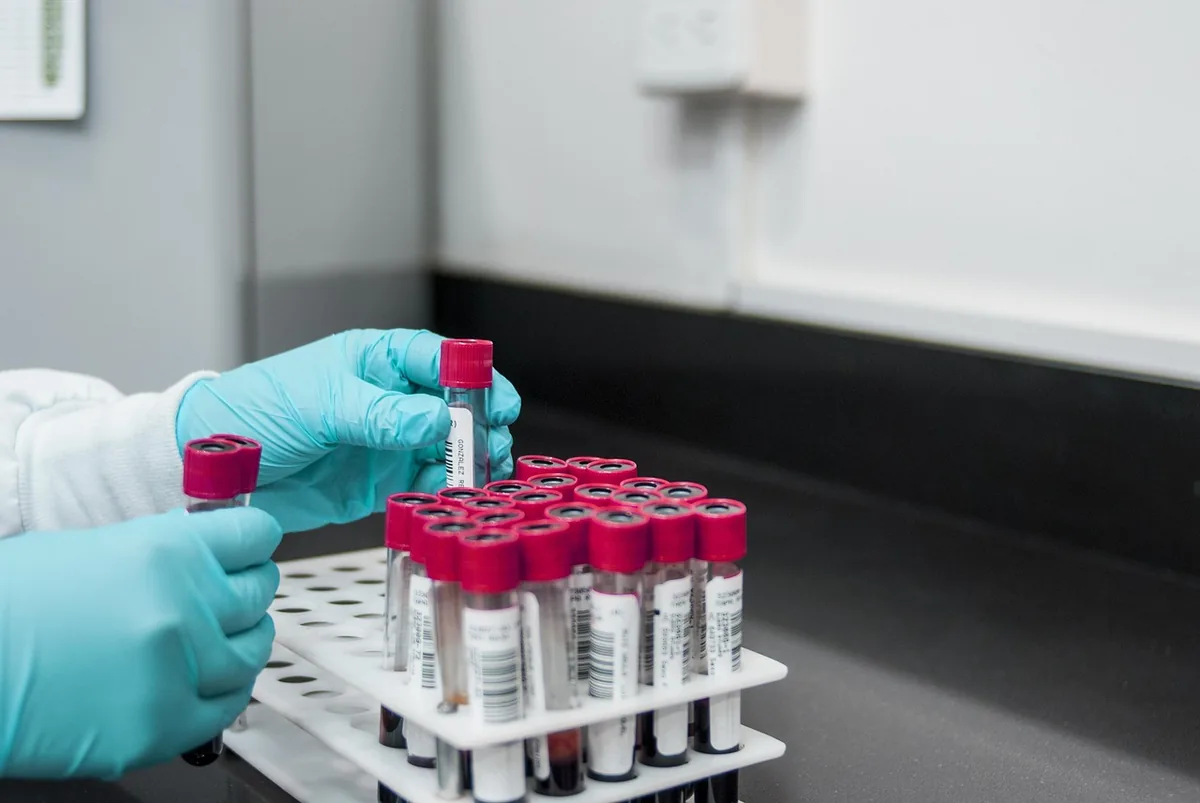
Before the blood draw, ask when results are expected and how the clinic will communicate them. A portal can display a result before your clinician has reviewed it with you. If you do not hear back by the agreed date, contact the ordering clinic instead of assuming that no news means a particular result.
Write down the test name, collection date and questions. Useful questions include: What does this result measure? What is the trend? Does it change my follow-up? When is the next test? What should I do if I cannot attend the lab?
Sources for this section: [1]
If a result surprises you
Bring your current medicine list, recent changes, any difficulties obtaining or taking treatment and previous reports to the conversation. Viral response can be affected by several factors, including drug interactions or inadequate exposure; the result alone cannot tell you which applies.
Ask about the next step and its timing, including any repeat test and how your current viral load affects prevention decisions. Continue following the treatment plan you have been given while seeking specific advice; do not independently change a prescription based on a portal alert.
Sources for this section: [1]
Common report terms
A test can have both a detection limit and a quantification limit. The first concerns whether the test detects HIV; the second concerns whether it can measure the amount reliably. A report that says detected but too low to quantify should be discussed using the laboratory’s exact wording, rather than treated as the same as a quantified result.
An occasional detectable result after suppression is sometimes called a blip. HIV.gov notes that a blip does not necessarily mean treatment has stopped working. A clinician considers the result and its trend before recommending the next test or any change. Keep the report and date available for that conversation.
Sources & editorial note
We use the sources below to support this guide. Follow a source link for its full guidance and any later changes. Source checking does not replace medical review or a conversation with your care team.
- Plasma HIV-1 RNA and CD4 Count Monitoring NIH ClinicalInfo. Accessed .
- Viral Suppression and an Undetectable Viral Load HIV.gov. Accessed .
Prepared by HIV Guide editorial team. How we write and check our guides · Contact and corrections information