This guide is educational information, not personal medical advice. The source-check date records editorial work, not a clinician review. Read our medical disclaimer.
A first conversation about an HIV test
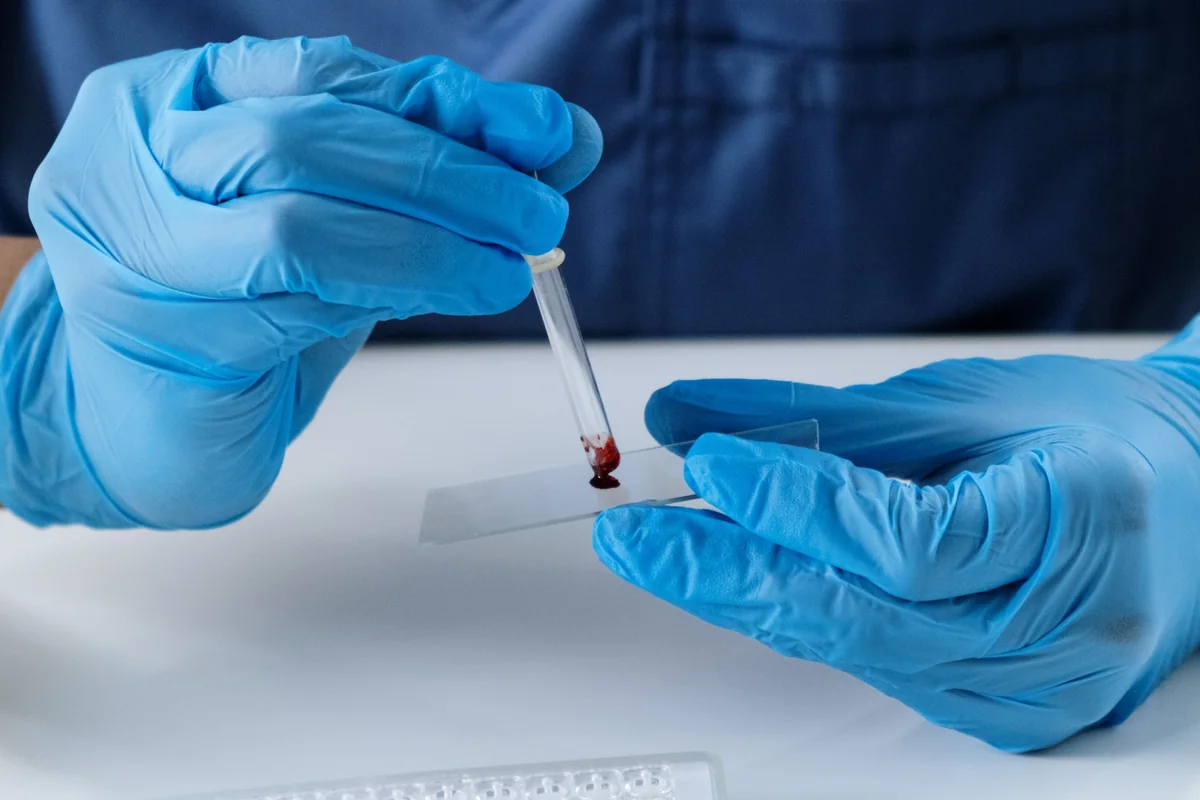
A useful starting question is: “Which HIV test will I receive, and what will the result tell me about my most recent possible exposure?” A blood sample, finger-stick sample, or oral-fluid sample may be used depending on the test. Rapid describes the time needed to return a result; it does not mean that a very recent infection can be detected immediately.
Make a note of the date of any possible exposure and tell the testing service about PrEP, PEP, or HIV treatment medicines. Ask when you should receive the result, how it will be delivered, and whether another test is needed. If the event was within the past 72 hours, seek urgent PEP assessment without waiting for a future test.
If the first test is reactive, ask whether follow-up testing has already been ordered. A self-test or community rapid test needs follow-up through a health care provider. Confirming the result is the step that determines what care is needed next.
How HIV affects the body
HIV is a virus that attacks the immune system, the body’s defense against infection. Without treatment it can damage that system over time. People may feel well for years, so a person’s appearance or symptoms cannot establish whether they have HIV. Testing is the way to find out.
The virus affects CD4 cells, which help organize the immune response. Without treatment, a weakened immune system can make it harder to fight infections and some cancers. This process does not look the same in every person; a health care provider can explain what an individual’s test results mean.
Sources for this section: [1]
HIV is treatable
Antiretroviral therapy, often called ART, lowers the amount of virus in the body. Starting treatment and staying in care can help a person with HIV live a long, healthy life. Treatment controls HIV but does not cure it, so ongoing care and medication matter even when someone feels well.
An HIV diagnosis is not the same as an AIDS diagnosis. AIDS describes the most advanced stage of HIV infection. Starting ART promptly and taking it as prescribed can prevent progression and protect health. A provider can discuss medicine choices, other health conditions, and how treatment will fit into your routine.
How HIV can pass to another person
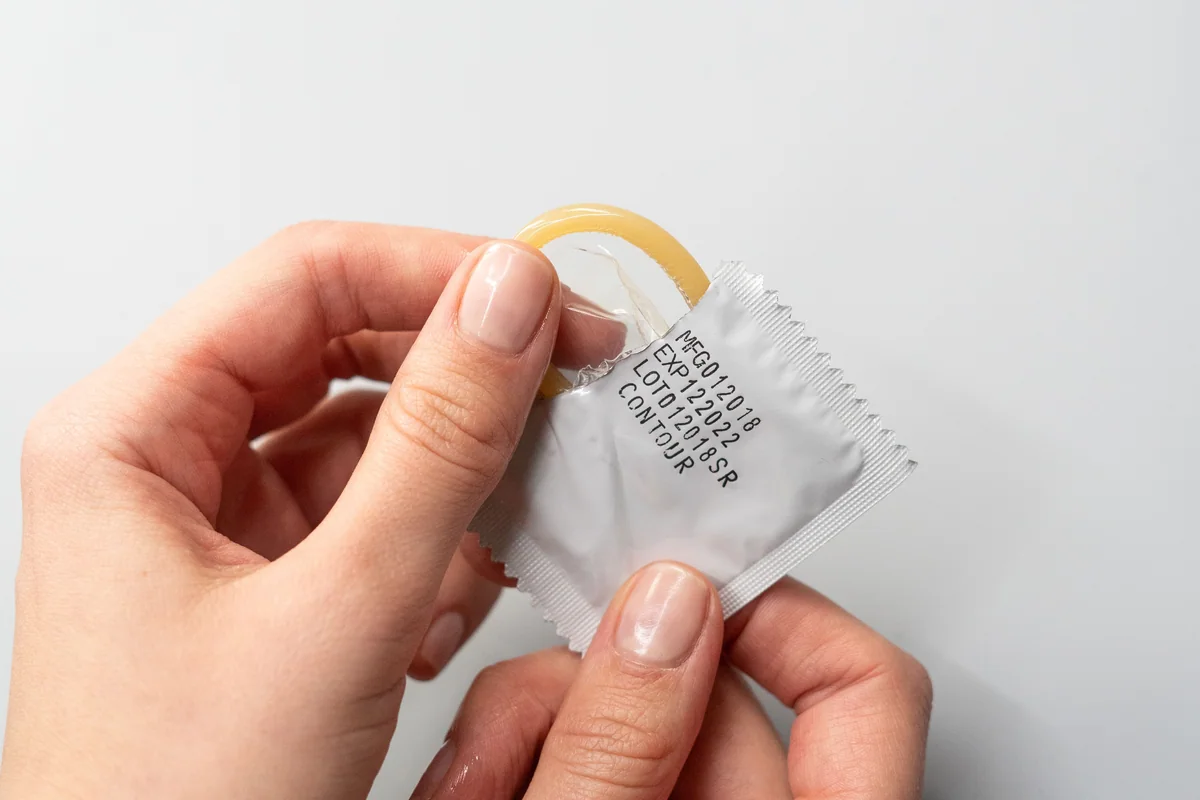
HIV can pass through certain body fluids, most commonly during anal or vaginal sex or through shared injection equipment. It does not spread through ordinary social contact. Prevention options include condoms, PrEP, and not sharing injection equipment. People with HIV who maintain viral suppression do not transmit HIV through sex.
Transmission is not based on proximity or knowing someone’s HIV status. Eating together, hugging, and sharing a bathroom do not spread HIV. The prevention tools that are useful depend on the activity and circumstances; ask a clinician about the combination that makes sense for you and your partners.
What to do next
Ask a clinic or health care provider for an HIV test, including what kind of test they offer and when its result will be reliable after your most recent possible exposure. If exposure may have occurred within the past 72 hours, seek urgent care for a PEP assessment rather than waiting for symptoms.
When you call, you can say: “I would like an HIV test. Which test do you use, and when should I test again after a possible exposure?” If a test is positive, ask who will arrange follow-up testing and connect you with an HIV care provider.
If you have a confirmed diagnosis, ask the provider when treatment can begin and how you will receive your first prescription. You do not need to solve every financial or emotional concern before requesting care; a care team can help connect you with support.
Putting the facts in context
HIV affects people differently. A person can feel healthy even while the virus remains active, which is why appearance, weight, or a partner’s apparent health cannot establish anyone’s status. A test and its timing matter more than a list of symptoms.
If HIV is confirmed, consider writing down your questions and arranging a first HIV care appointment. Treatment can control the virus, and a diagnosis does not tell you when or from whom it was acquired. You can take the next steps one at a time.
Sources for this section: [1]
Sources & editorial note
We use the sources below to support this guide. Follow a source link for its full guidance and any later changes. Source checking does not replace medical review or a conversation with your care team.
- About HIV CDC. Accessed .
- Initiation of Antiretroviral Therapy NIH ClinicalInfo. Accessed .
- Preventing HIV CDC. Accessed .
- Antiretroviral Therapy to Prevent Sexual Transmission of HIV NIH ClinicalInfo. Accessed .
- Getting Tested for HIV CDC. Accessed .
- Preventing HIV with PEP CDC. Accessed .
Prepared by HIV Guide editorial team. How we write and check our guides · Contact and corrections information