This guide is educational information, not personal medical advice. The source-check date records editorial work, not a clinician review. Read our medical disclaimer.
Keep supplies separate
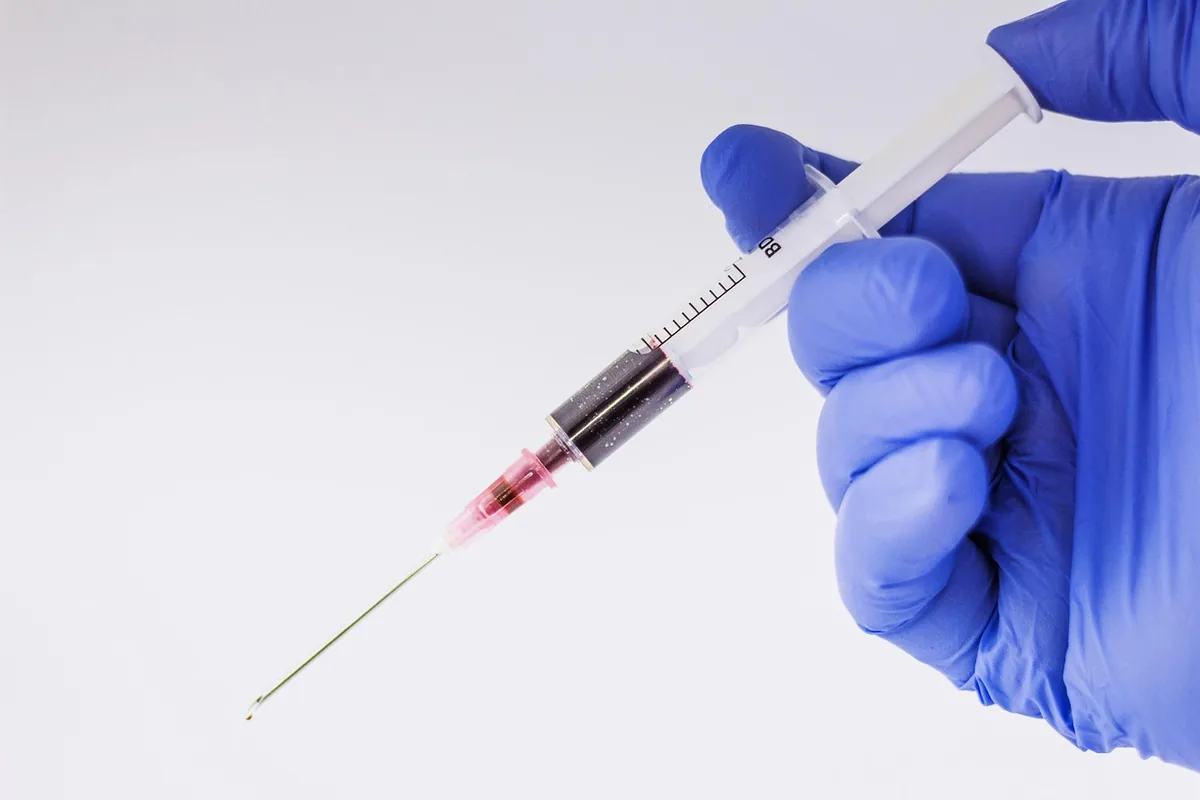
Sharing needles, syringes or other injection equipment can transmit HIV and other infections. CDC recommends new, clean syringes and injection equipment each time. Keep your own supplies separate and plan ahead for enough sterile equipment; sharing other equipment, such as cookers, also matters.
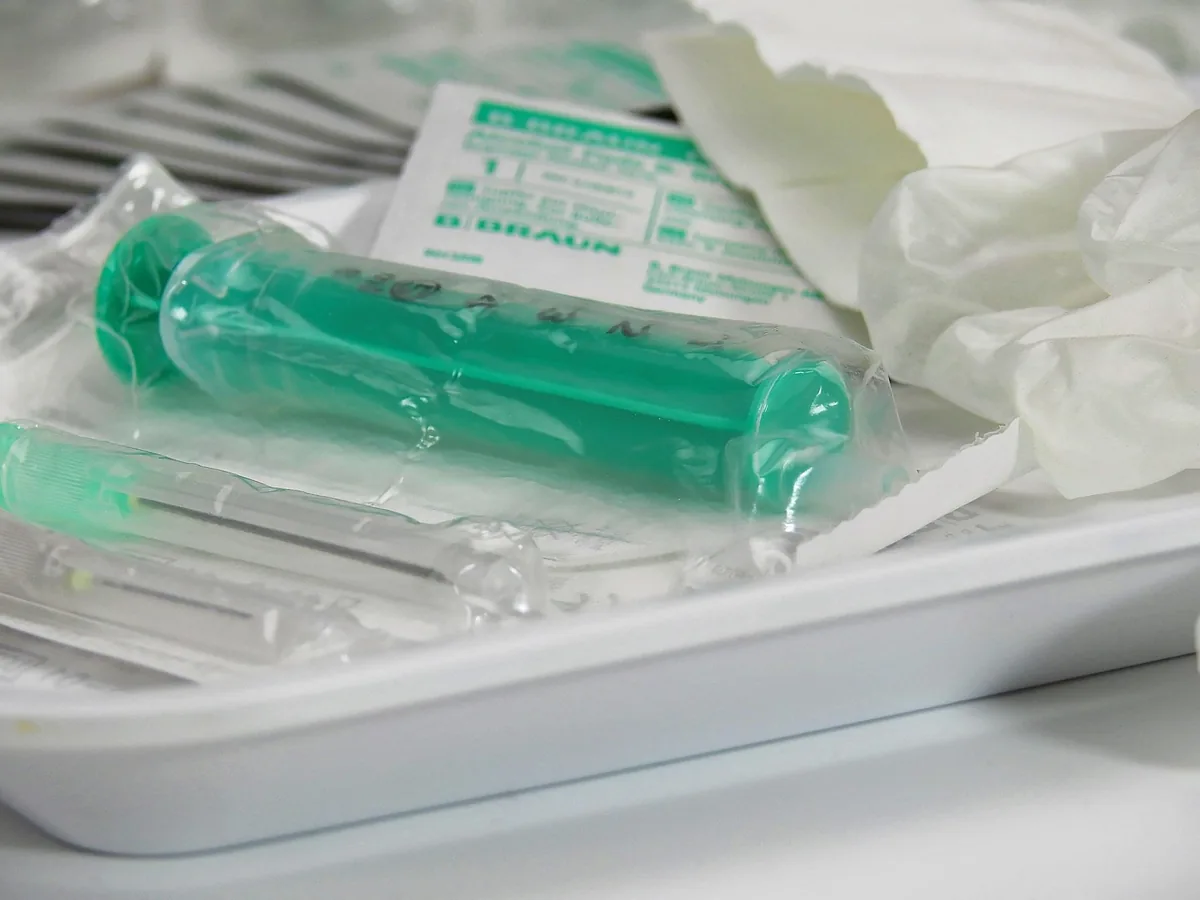
A syringe services program may provide sterile supplies and a way to dispose of used syringes. Some pharmacies sell needles without a prescription; rules and access vary by location, so check locally.
Sources for this section: [1]
Add other prevention
PrEP can reduce the chance of acquiring HIV associated with injection drug use when used as prescribed. Tell a prescriber about injection exposure so they can discuss which PrEP options are appropriate. PrEP does not replace sterile supplies or prevent every other infection.
A local syringe services program can be a starting point for asking about supplies and other support. Ask what it actually offers, its hours and any requirements before traveling.
Plan for all equipment, not just needles
CDC includes needles, syringes and other equipment such as cookers in its prevention advice. Planning for a new sterile set each time means thinking about every item used, where you will obtain it and how you will keep it separate from other people's supplies. A syringe services program can explain what it offers and how to access it.
Ask about a safe way to return or dispose of used syringes at the same time you obtain new supplies. If one program is closed or too far away, ask about another location or whether a local pharmacy sells supplies; availability and local rules vary.
Sources for this section: [1]
Ask for care without judgment
You can tell a health service, 'I inject drugs and want sterile supplies and HIV prevention information.' Ask what information you must provide and how the service handles it before deciding how to proceed. A local program may be able to explain additional support, but ask which services are actually available and whether they are on site.
If you want PrEP, explain both injection and sexual exposures when relevant. A particular product's evidence and indication matter; the service can help you compare options and arrange the required follow-up. You do not have to stop using drugs before asking about HIV prevention.
Questions about a recent exposure
What if I shared equipment but do not know the other person's status? Seek urgent assessment and tell the clinician what was shared and when. PEP decisions depend on the exposure and available information; do not wait for the other person to be located.
Is cleaning equivalent to a new sterile syringe? No. CDC says disinfection with bleach is less protective than a new sterile syringe. Seek sterile supplies and ask a harm-reduction service for practical guidance if new equipment is not available.
Does PrEP protect against everything related to injecting? No. It is HIV prevention and does not replace sterile equipment or care for other infections.
After shared equipment
If you may have been exposed to HIV through shared injection equipment, seek PEP assessment immediately at a health care provider, urgent care or emergency department. PEP must start within 72 hours; sooner is better. Tell the clinician when sharing occurred and what equipment was involved.
If sterile supplies are unavailable, CDC notes that disinfecting a shared syringe with bleach is less protective than a new sterile syringe. Ask a local harm-reduction service for practical guidance and new supplies; do not treat disinfection as equivalent to sterile equipment.
Sources & editorial note
We use the sources below to support this guide. Follow a source link for its full guidance and any later changes. Source checking does not replace medical review or a conversation with your care team.
- Preventing HIV CDC. Accessed .
- Preventing HIV with PrEP CDC. Accessed .
- Preventing HIV with PEP CDC. Accessed .
Prepared by HIV Guide editorial team. How we write and check our guides · Contact and corrections information