
This guide is educational information, not personal medical advice. The source-check date records editorial work, not a clinician review. Read our medical disclaimer.
Comparing three different encounters
Consider the difference between an embrace, sex, and an accidental needle injury. Hugging and sharing dishes do not provide a transmission route. During anal or vaginal sex, relevant fluids can contact mucous membranes; with a used needle, blood can be introduced directly. These are different events even if the same people are involved.
Knowing that a partner has HIV does not by itself establish that transmission occurred. For sexual contact, whether the person with HIV is on treatment and maintains an undetectable viral load matters: maintained suppression prevents sexual transmission. That evidence is specific to sexual transmission and should not be applied as a zero-risk conclusion to needle sharing or breastfeeding.
When asking about a particular event, state the activity, the approximate time, the fluid involved if known, and whether there was broken skin or a needle injury. A possible significant exposure within 72 hours needs urgent PEP assessment.
Routes that matter
HIV can pass through certain body fluids when they reach a mucous membrane, damaged tissue, or the bloodstream. In the United States, sex and sharing injection equipment are important routes. HIV can also pass during pregnancy, delivery, or breastfeeding; care can greatly reduce perinatal transmission.
The fluids that can transmit HIV include blood, semen, rectal and vaginal fluids, and breast milk from a person with HIV. Exposure is not simply being near a fluid: the route into the body matters. If you are uncertain about a specific event, describe it to a clinician rather than trying to judge it from symptoms.
Everyday contact
Hugging, shaking hands, sharing a meal, and ordinary social contact do not transmit HIV. Knowing the actual routes helps avoid unnecessary fear and stigma, and allows attention to focus on actions that can prevent transmission. A person’s appearance cannot tell you whether they have HIV.
HIV is not transmitted through tears, sweat, saliva, or sharing dishes in ordinary contact. A mosquito bite does not transmit HIV. Avoiding a coworker, family member, or friend because of an HIV diagnosis does not prevent infection and can cause unnecessary isolation.
Sources for this section: [1]
Prevention options
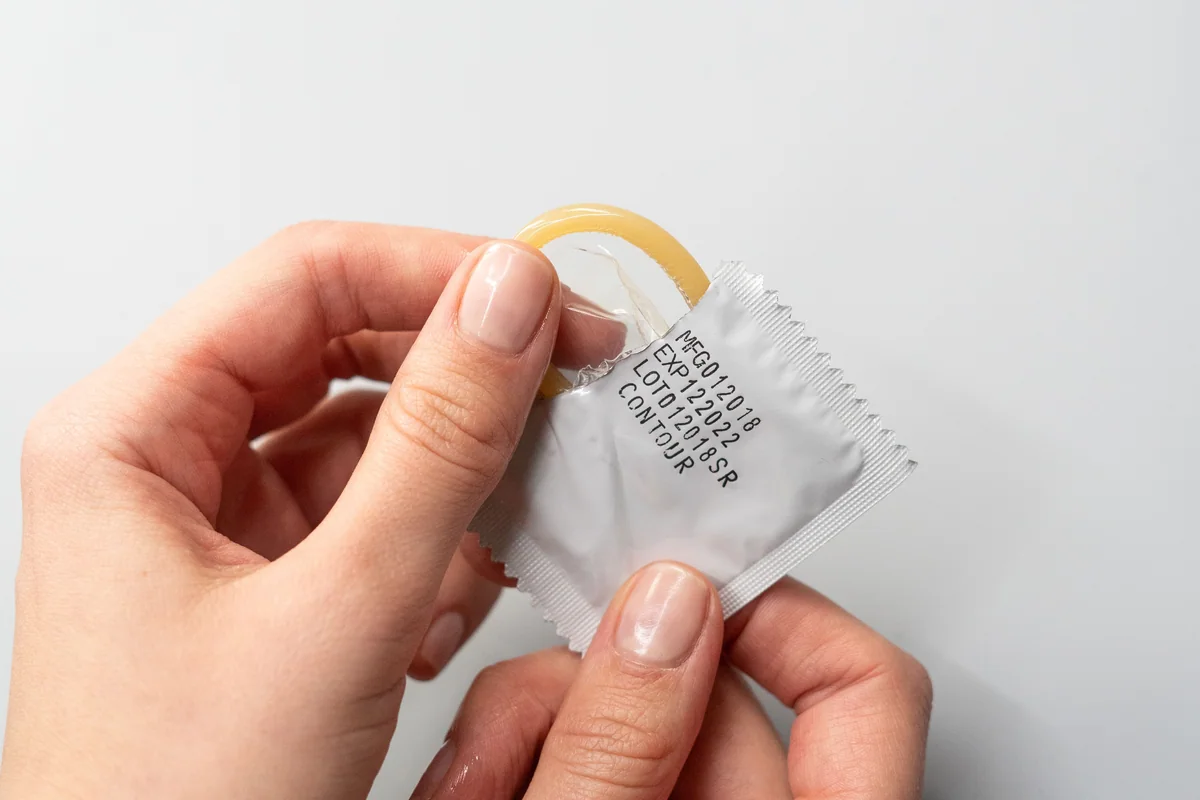
Condoms, PrEP for people without HIV, and avoiding shared needles and other injection equipment are prevention options. A person with HIV who takes ART and maintains viral suppression does not transmit HIV to sexual partners. This sexual-transmission finding does not mean all other transmission routes have zero risk.
For someone without HIV, PrEP is an option before potential exposure, while using sterile equipment and not sharing injection supplies reduces the chance of transmission through injection. For someone with HIV, ART and viral-load monitoring are part of care. A partner can discuss PrEP and other choices with a provider without needing to make assumptions about anyone’s status.
After a possible exposure
If a possible exposure happened within the last 72 hours, contact an emergency department, urgent care, or a clinician immediately and ask about PEP. Every hour matters. If more time has passed, seek testing and discuss the right follow-up schedule and future prevention options.
Write down the approximate time of the event, the activity involved, and any relevant medicines, then seek urgent assessment if it was within 72 hours. If the event was later than that, a clinician can still help with testing, interpretation of the window period, and prevention going forward.
If you use injection drugs, ask a local health provider or harm-reduction service where to obtain sterile supplies and how to dispose of used equipment. Avoid sharing needles, syringes, or other injection equipment, even with someone you know well.
Putting the facts in context
A possible route requires both a relevant fluid and a way for it to enter the body, such as a mucous membrane, damaged tissue, or direct injection. Knowing only that someone has HIV does not establish that a particular encounter transmitted it.
A person on treatment who maintains an undetectable viral load does not transmit HIV through sex. That specific evidence does not mean that all exposure routes, including sharing injection equipment or breastfeeding, have the same zero-risk conclusion.
Sources for this section: [1]
Sources & editorial note
We use the sources below to support this guide. Follow a source link for its full guidance and any later changes. Source checking does not replace medical review or a conversation with your care team.
- About HIV CDC. Accessed .
- Preventing HIV Transmission During Infant Feeding NIH ClinicalInfo. Accessed .
- Preventing HIV CDC. Accessed .
- Antiretroviral Therapy to Prevent Sexual Transmission of HIV NIH ClinicalInfo. Accessed .
- Preventing HIV with PEP CDC. Accessed .
- Getting Tested for HIV CDC. Accessed .
Prepared by HIV Guide editorial team. How we write and check our guides · Contact and corrections information