
This guide is educational information, not personal medical advice. The source-check date records editorial work, not a clinician review. Read our medical disclaimer.
What follow-up covers
HIV follow-up is a chance to check treatment response and address health concerns. The clinician may review viral load, CD4 count when indicated, other tests, symptoms, medicines and preventive care. Visit frequency depends on your treatment and health, so a stable person's schedule may differ from someone starting or changing ART.
You can raise a concern even if the last result was reassuring. The visit is also a place to discuss practical problems with treatment before they become interruptions.
Prepare for the conversation
Bring a list of HIV medicines, other prescriptions, nonprescription products and supplements. Include new products, allergies, side effects and any information from other clinicians. If you have a result from another laboratory, bring the report or ask how it can be shared.
Write down your most important questions first. For example: What does my last viral load show? Is a new symptom related to treatment? Does a new medicine interact? Are my vaccinations current?
Sources for this section: [1]
Review tests and results
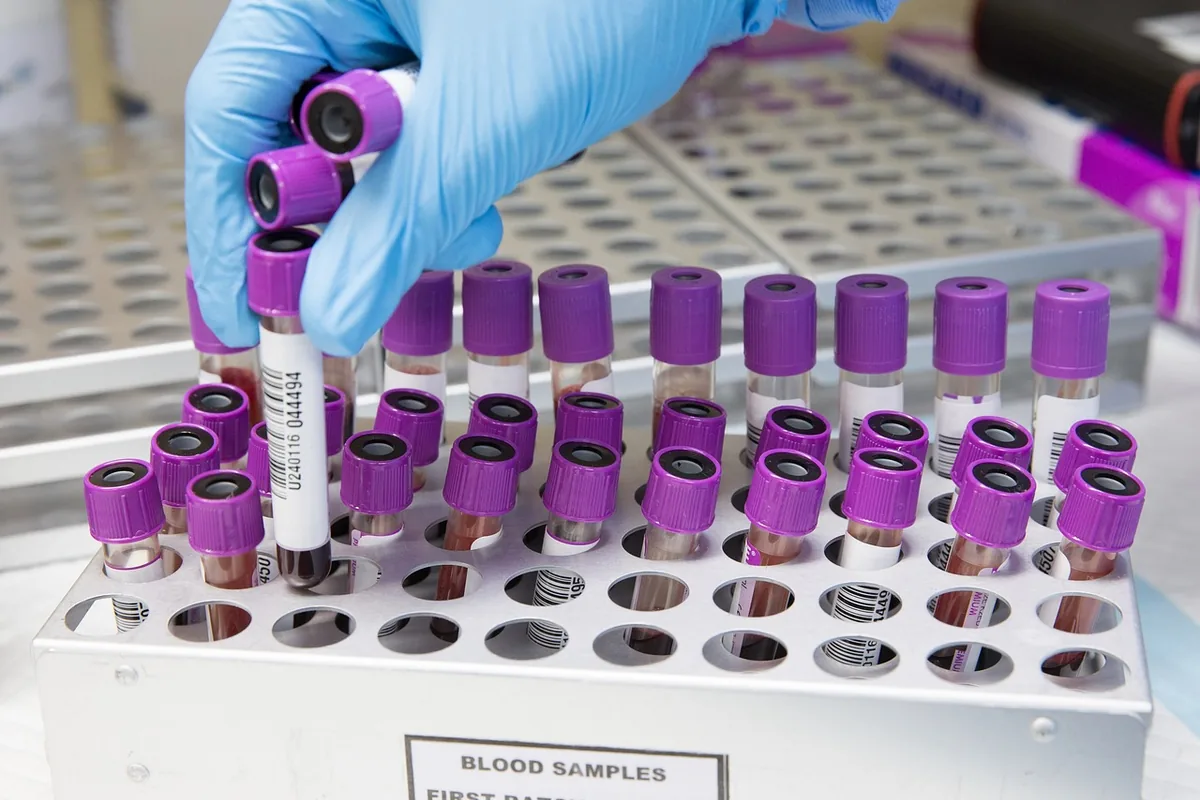
Viral load helps show how treatment is working. CD4 count describes immune cells and is checked according to clinical circumstances. Other tests may assess general health, infections or possible medication effects. Ask what each test is for and how it relates to previous results.
If tests are ordered, confirm the lab location, any preparation, the expected result date and who will communicate the result. Contact the clinic if the result does not arrive when agreed.
Discuss the treatment routine
Mention difficulty taking or obtaining medicine, missed injection visits, side effects or a changing schedule. Be specific: a pharmacy closure or nausea calls for a different response from an easily missed reminder. NIH recommends supportive, individualized problem solving.
Confirm the pharmacy, refills and contact information. If you anticipate a gap, ask whom to call and what information will help the team act quickly.
Leave with an action list
Write down the next appointment, test dates, any pending results and the name of the person to contact. Ask for instructions in writing and repeat them back if the plan is complicated. You can request an interpreter or another explanation when needed.
If there is not enough time for every concern, identify the most urgent question and ask how the rest will be addressed. Nurses, pharmacists and navigators may help with different parts of the plan, depending on the clinic.
When something changes between visits
You do not need to wait for the next routine appointment to report a new symptom, a possible interaction or difficulty getting medicine. Use the contact method agreed with your clinic and explain what has changed, when it began and how urgently you need a response. Ask whom to contact after hours.
If you are seeing another clinician, share the current HIV medicine list and ask how new test results or prescriptions will reach your HIV team. Keep a brief record of changes and questions for the next visit, including anything that remained unresolved after an earlier call.
Sources & editorial note
We use the sources below to support this guide. Follow a source link for its full guidance and any later changes. Source checking does not replace medical review or a conversation with your care team.
- Treating HIV CDC. Accessed .
- Plasma HIV-1 RNA and CD4 Count Monitoring NIH ClinicalInfo. Accessed .
- Adherence to the Continuum of Care NIH ClinicalInfo. Accessed .
Prepared by HIV Guide editorial team. How we write and check our guides · Contact and corrections information