This guide is educational information, not personal medical advice. The source-check date records editorial work, not a clinician review. Read our medical disclaimer.
A practical timeline for a recent concern
Write down the date and approximate time of the possible exposure, then the dates of any tests or symptoms. A test taken immediately after the event may describe the starting situation but cannot exclude an infection acquired from that event. Symptoms beginning later can have many causes and cannot establish the date of HIV acquisition.
For example, a negative antibody or antigen/antibody result after a recent exposure does not by itself resolve early symptoms. CDC says a clinician should consider a NAT in that setting. Ask which test is being ordered, when its result is expected, and whether a further sample will be needed.
If you used PrEP, PEP, or HIV treatment medicine, give the dates of doses or injections. These medicines can delay detection, so the clinician needs that history when deciding how to interpret and repeat testing.
What happens early
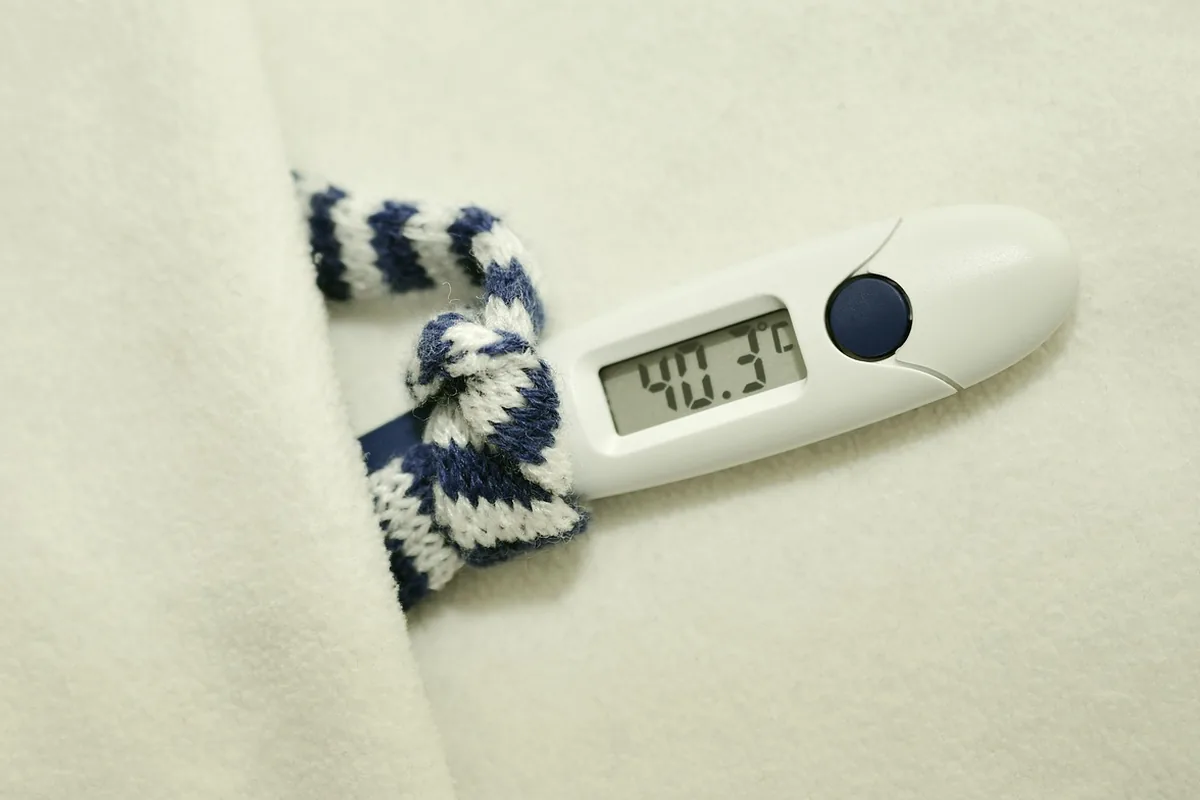
Acute infection is the first phase after HIV acquisition. Viral levels can be high, and some people develop a flu-like illness. CDC notes that symptoms commonly occur within two to four weeks, though some people notice no symptoms.
Fever or a rash has many possible causes. Neither a symptom checklist nor feeling completely well can determine HIV status. Avoid using the date of an illness to decide exactly when infection happened.
Sources for this section: [1]
Testing during early infection
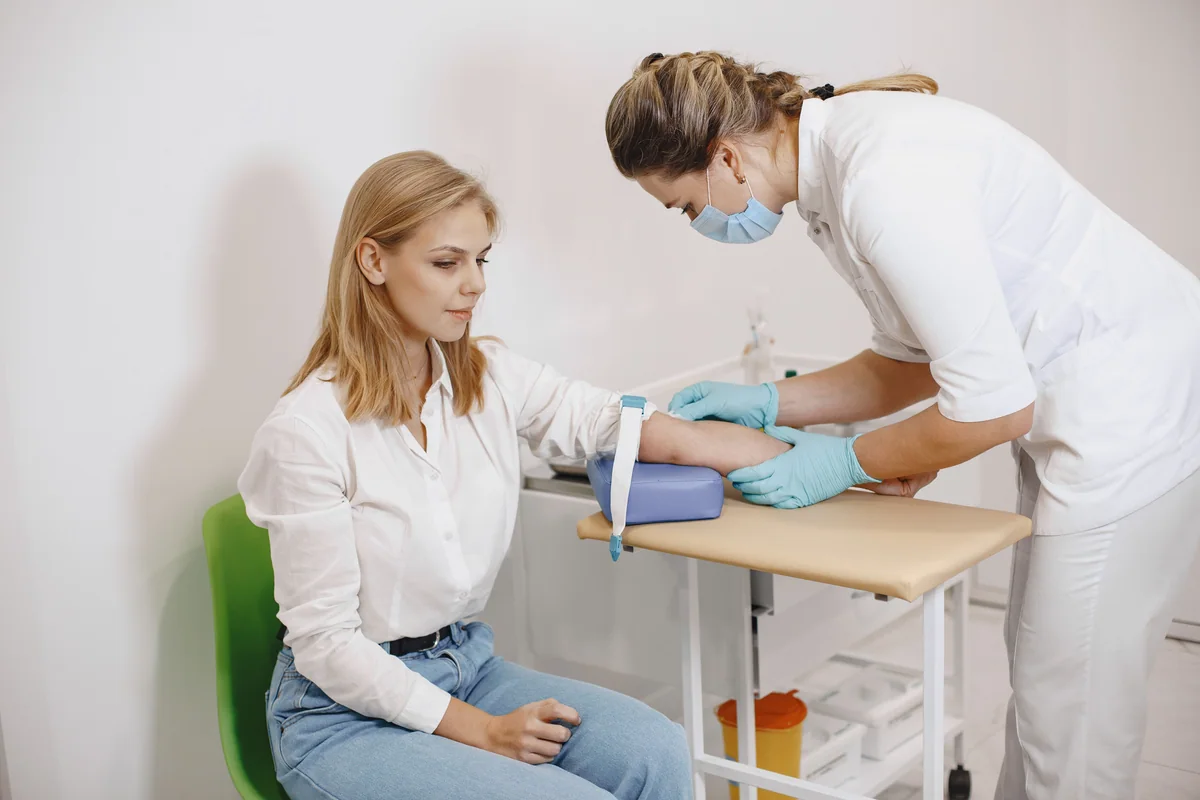
No HIV test detects infection immediately. A nucleic acid test can detect infection earlier than other categories and may be considered after recent exposure with symptoms when an antibody or antigen/antibody test is negative.
Tell the clinician the date of the possible exposure and any PrEP, PEP, or HIV medicines you have taken. Antiretroviral medicines can delay detection and can affect the recommended testing plan.
When to seek help
For a possible exposure within 72 hours, seek urgent evaluation for PEP; an early negative result does not settle whether a very recent exposure caused infection. If you have severe or worsening symptoms, seek medical care regardless of the suspected cause.
A reactive screening test needs follow-up before a diagnosis is confirmed. Ask how and when you will receive that result, and how to reach the testing service if you do not hear back.
Sources & editorial note
We use the sources below to support this guide. Follow a source link for its full guidance and any later changes. Source checking does not replace medical review or a conversation with your care team.
- About HIV CDC. Accessed .
- Getting Tested for HIV CDC. Accessed .
- HIV Testing CDC. Accessed .
- Clinical Guidance for PEP CDC. Accessed .
Prepared by HIV Guide editorial team. How we write and check our guides · Contact and corrections information