This guide is educational information, not personal medical advice. The source-check date records editorial work, not a clinician review. Read our medical disclaimer.
Start with the day you actually have
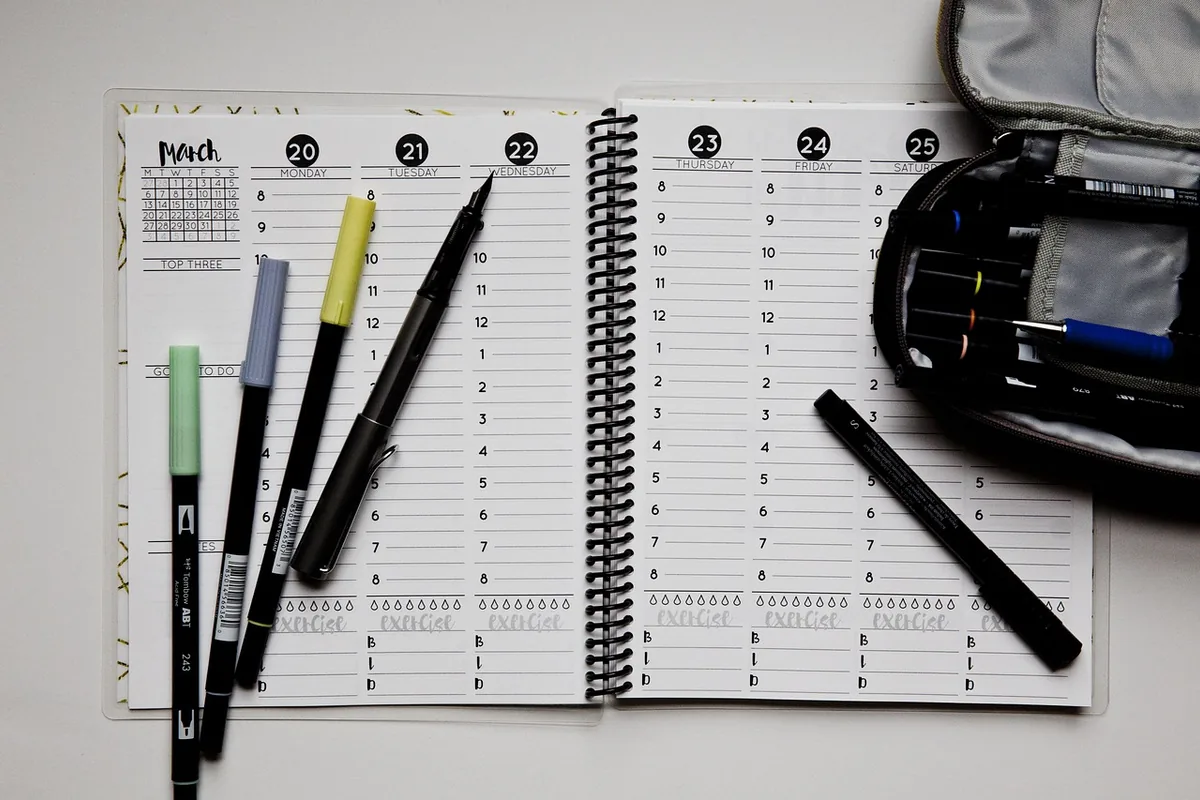
Write down the commitments that shape a typical day: work or school, travel, caregiving, meals, and sleep. Notice when you tend to have more energy and where the day feels crowded. A changing shift or a child's schedule may mean there is no single routine that works every day.
Pick one change to try, such as leaving a break between demanding tasks or setting aside time to eat. On a busy day, decide what must happen, what can wait, and whether someone can help. The aim is a useful plan, not a perfect timetable.
Sources for this section: [4]
Make space for sleep and rest
Give sleep a place in the plan. When your schedule allows, try a consistent sleep and wake time and make your sleeping space as quiet and comfortable as you can. If you work shifts or share a home, choose a realistic adjustment, such as protecting a quieter block of time after work.
Add a pause before you are exhausted when possible: sit down between errands, take a break from a screen, or divide a household task across the day. If you regularly have trouble sleeping or feel tired despite sleep, tell your health care provider; sleep problems have many possible causes.
Sources for this section: [3]
Plan food that is accessible to you
Look for opportunities to eat during your actual day, including work breaks or time away from home. A simple option might be a sandwich and fruit, leftovers, or a meal shared with someone. Choose foods you enjoy and can obtain; variety over time is more useful than trying to make every meal look alike.
If shopping, cooking, or paying for food is difficult, ask your clinic or case manager about local food assistance. A clinician or registered dietitian can help you adapt food choices to your health and circumstances, especially before a major dietary change.
Sources for this section: [2]
Choose movement that fits
Movement can be part of ordinary life: walking with a friend, dancing at home, gardening, or another activity you enjoy. Consider when and where it feels practical, whether that is a short break or time with someone else. A gym or special equipment is not required.
Your needs may change from day to day. If you have symptoms, an injury, or another health condition, ask your provider what activity is suitable and how to adjust it. Rest when you need to; do not treat a difficult day as a failure.
Sources for this section: [1]
Balance responsibilities and connection
Look at the week as well as today. If several demanding obligations fall together, can one errand move, a chore be shared, or a break be protected? If your work schedule leaves little flexibility, identify the smallest change within your control and ask about available support.
Make room for connection on your own terms: a short call, a meal, a community activity, or a quiet visit. You choose what to share about your health. A clinic social worker or case manager may also help you find a peer group or other support.
Sources for this section: [4]
Try a plan and adjust it
For example, a workday plan could include food during a break, a brief walk if it feels comfortable, a quieter period after work, and a call with a friend. On a lower-energy day, the same plan might become an easier meal, rest, and a message instead of a visit. These are options, not targets.
After several days, notice what helped and what was hard to fit in. Keep the useful parts and change one obstacle at a time. If fatigue is new, persistent, worsening, or interfering with daily life, contact your care team and describe when it happens and how it affects you. For medication planning, see the related guide Building an ART Routine.
Common questions
Does HIV mean I need a special daily schedule? No single schedule fits everyone. Build around your commitments, preferences, and health needs, and ask your care team about any individual advice.
What if I cannot afford the food or activities I see recommended? Start with what is available to you. Ask a clinic or case manager about food resources; enjoyable movement can also be part of everyday activities and need not require a paid class.
What if I am too tired to follow my plan? Adjust the day's demands and make room for rest. Tell your provider if tiredness persists, worsens, is new, or gets in the way of daily life, so you can discuss possible causes and support.
Sources & editorial note
We use the sources below to support this guide. Follow a source link for its full guidance and any later changes. Source checking does not replace medical review or a conversation with your care team.
- Exercise and Physical Activity HIV.gov. Accessed .
- Nutrition and People Living with HIV HIV.gov. Accessed .
- About Sleep CDC. Accessed .
- Living with HIV CDC. Accessed .
Prepared by HIV Guide editorial team. How we write and check our guides · Contact and corrections information